Why Ultherapy Could Be Medically Needed: Checking Out the Factors for a Non Surgical Lift
Ultherapy is gaining interest as a feasible option for individuals facing skin laxity because of aging or particular medical conditions. This non-surgical treatment boosts collagen production, using a service that avoids the recovery time related to intrusive procedures. As people look for to enhance not just their look yet likewise their general skin health and wellness, recognizing the conditions that call for Ultherapy's use comes to be important. What variables add to its clinical need?
Recognizing Ultherapy: What It Is and Exactly how It Functions
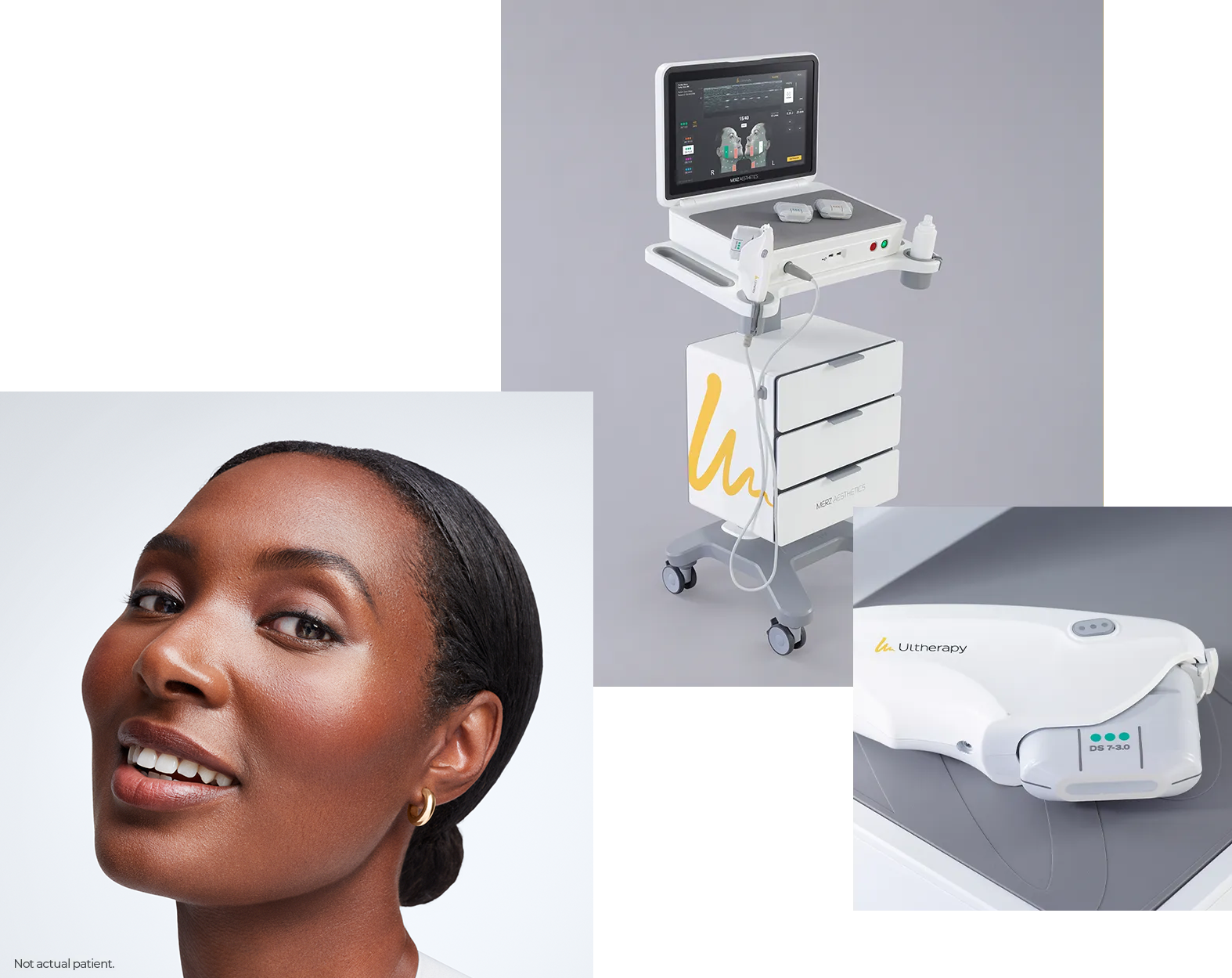
Ultherapy, a non-invasive cosmetic procedure, makes use of ultrasound modern technology to promote collagen production and advertise skin tightening up. By delivering concentrated ultrasound energy deep into the skin, it targets the fundamental layers commonly dealt with in surgical renovations. This procedure encourages the body's natural recovery response, causing gradual lifting and tightening up of the skin in time.
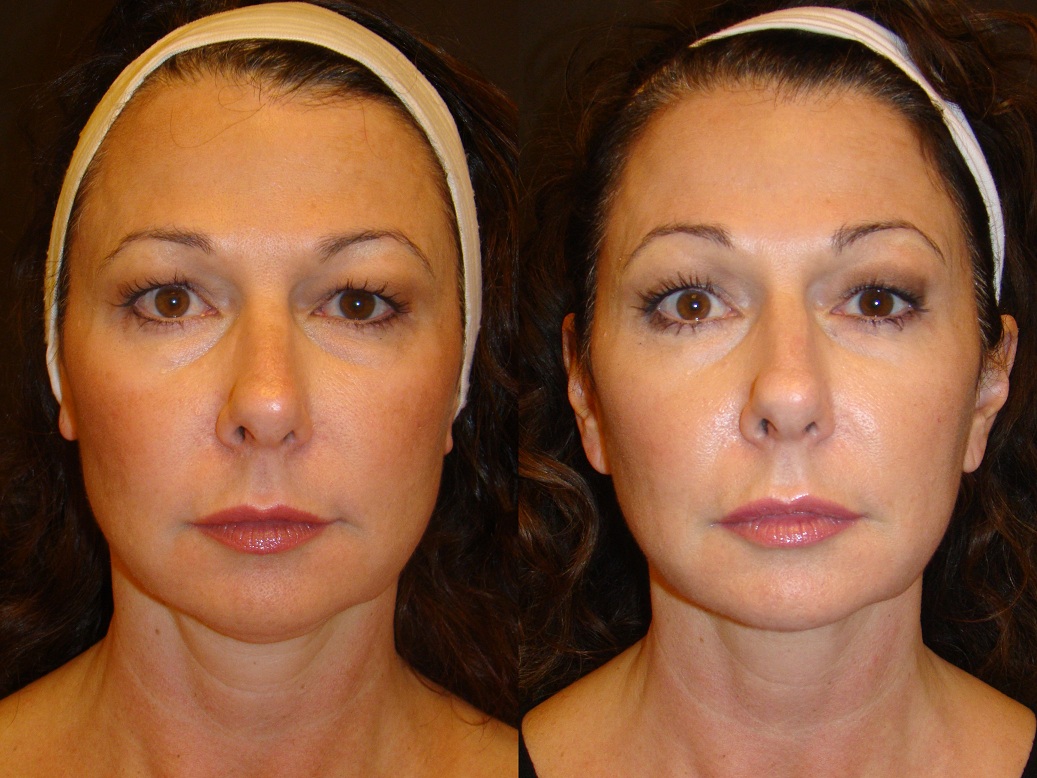
Treatment sessions generally last in between 30 to 90 minutes, depending upon the dimension of the area being treated. While outcomes might not be promptly visible, optimal impacts typically show up within 2 to three months as collagen remains to create. Ultherapy offers an engaging non-surgical option for people seeking skin rejuvenation without the requirement for invasive treatments.
The Aging Refine: Impacts on Skin Flexibility and Collagen
Aging certainly brings adjustments that reduce skin elasticity and collagen manufacturing, resulting in visible indications of sagging and creases. As individuals age, the skin's ability to maintain dampness reductions, causing a drier and much less resilient surface. Collagen, a crucial healthy protein in charge of skin structure, additionally lessens, triggering the skin to shed its firmness and vibrant look. Factors such as sunlight exposure, environmental toxins, and way of living choices better increase this decline in skin high quality.
This loss of flexibility and collagen produces a cascade of adjustments, consisting of the formation of dewlaps, deepening nasolabial folds, and an overall drooping look. The skin's support system weakens, making it a lot more at risk to the effects of gravity. As a result, numerous people look for interventions like Ultherapy to fight these aging results, aiming to restore an extra youthful, taut look without the requirement for invasive operations.
Medical Problems That May Gain From Ultherapy
Ultherapy is significantly recognized for its possible benefits in attending to numerous clinical conditions. Individuals experiencing skin laxity, those in post-surgical recuperation, and clients with persistent skin problems may discover this non-invasive therapy advantageous. By stimulating collagen manufacturing, Ultherapy can enhance skin suppleness and improve overall appearance for these teams.
Skin Laxity Concerns
Skin laxity can be a substantial concern for individuals experiencing numerous medical conditions that impact the honesty and flexibility of their skin. Problems such as Ehlers-Danlos disorder, which disrupts collagen manufacturing, can bring about premature skin aging and sagging. Furthermore, individuals with autoimmune conditions might experience skin adjustments that add to laxity. Hormonal changes, specifically throughout menopause, additionally play a function in decreasing skin firmness. Ultherapy, using ultrasound technology, targets the deeper layers of skin, stimulating collagen production and tightening the influenced locations. This non-invasive treatment may provide a practical solution for those looking for to address skin laxity arising from these clinical problems, boosting both look and self-worth without the demand for surgical intervention.
Post-Surgical Recuperation Help
Post-surgical healing can commonly present challenges, specifically for people experiencing skin laxity due to medical interventions. Ultherapy offers as a possible help in this scenario, using ultrasound innovation to promote collagen manufacturing and boost skin rigidity without invasive treatments. Clients that have undergone surgeries such as renovations, liposuction, or various other body contouring procedures may locate that Ultherapy enhances their healing by dealing with unequal structure and laxity that can occur post-operation. This non-surgical strategy can lead to improved visual results, possibly lowering the demand for additional medical treatments. It might aid ease discomfort associated with the recovery procedure, offering people a much more comprehensive recuperation experience. Ultherapy can be a beneficial alternative in post-surgical care.
Chronic Skin Disease
For people dealing with persistent skin problems such as acne scars, rosacea, or laxity because of aging, non-invasive therapies may provide significant relief and renovation. Ultherapy has emerged as an appealing option, making use of ultrasound innovation to promote collagen production deep within the skin. This process can improve skin structure and elasticity, dealing with concerns like uneven skin tone and sagging. In specific, those with rosacea may experience reduced redness and swelling, while patients with acne scars can take advantage of boosted skin smoothness and general appearance. Notably, Ultherapy offers a non-surgical option that decreases healing time and dangers connected with intrusive treatments, making it an enticing choice for people seeking reliable administration of chronic skin disease.
Mental Influence of Drooping Skin and Aesthetic Issues
The psychological toll of aging usually shows up in the type of drooping skin, which can greatly affect a person's self-esteem and general mental wellness. Lots of people associate youthful appearances with energy and good looks, leading to sensations of insufficiency when faced with noticeable indicators of aging. This regarded decrease in charm can cause social anxiousness, withdrawal from social communications, and an enhanced fixation with one's appearance.
People might really feel forced to seek visual therapies to battle these problems, as the desire to keep a younger appearance can end up being linked with personal identity. The mental results of drooping skin may additionally lead to clinical depression or a diminished high quality of life. Non-surgical options like Ultherapy arise as potential solutions, aiming not only to rejuvenate the skin however additionally to bring back confidence and a favorable self-image, eventually resolving the deeper psychological implications of aging.
Comparing Ultherapy to Traditional Surgical Options
When comparing Ultherapy to standard surgical options, considerable distinctions arise in both cost-effectiveness and recovery time. Ultherapy offers a non-invasive method that commonly leads to lower expenses and marginal downtime for patients. On the other hand, medical lifts usually need even more economic investment and a prolonged recovery period.
Cost-Effectiveness of Ultherapy

Traditional medical lifts often come with substantial in advance expenses and expanded recovery times, Ultherapy presents an engaging option that can supply equivalent results at a fraction of the cost. The ordinary price of a surgical facelift can range from $7,000 to $15,000, while Ultherapy therapies typically fall in between $2,000 and $4,500, depending upon the location dealt with and service provider competence. Furthermore, the absence of considerable pre-operative analyses and post-operative treatment related to Ultherapy further adds to its cost-effectiveness. This approach not only decreases monetary strain yet also enables patients to spend in other elements of their wellness and well-being. In this means, Ultherapy becomes a financially practical option for those looking for facial rejuvenation without the concerns of standard surgical procedure.
Recuperation Time Contrast
Recovery time is a substantial factor in the decision-making procedure for those thinking about cosmetic treatments. Ultherapy stands apart as a non-surgical choice that normally requires minimal downtime. The majority of clients can go back to their everyday activities virtually quickly, experiencing just light inflammation or swelling that normally settles within a few hours. On the other hand, standard surgical options, such as facelifts, typically demand a prolonged recovery duration. Patients might face numerous weeks of swelling, bruising, and limited task, with some going back to typical routines occupying to three months. This raw distinction in recovery time makes Ultherapy an appealing choice for people seeking effective results without the extensive aftercare connected with surgical treatment, enabling for a smoother change back to everyday life.
The Long-Term Conveniences of Non-Invasive Treatments for Skin Wellness
As individuals significantly seek alternatives to operations, the long-lasting benefits of non-invasive therapies for skin health and wellness end up being more noticeable. Therapies such as Ultherapy, chemical peels, and laser treatment deal substantial advantages without the requirement for considerable recuperation times associated with surgery. Ultherapy Malaysia. In time, these non-invasive choices can advertise collagen production, causing stronger skin and a much more vibrant look
Additionally, regular non-invasive therapies can Density RF Malaysia boost skin texture, tone, and elasticity, improving overall skin health and wellness. Individuals often experience less difficulties and adverse effects, making these procedures much more attractive.
The collective results of regular treatments can sustain and lengthen visual enhancements, allowing individuals to preserve their wanted look with marginal downtime. By prioritizing non-invasive techniques, individuals can attain long-term outcomes while prioritizing their wellness and wellness. Eventually, the lasting advantages of such strategies underscore their expanding popularity in modern-day skincare.
Frequently Asked Questions
How much time Does an Ultherapy Session Usually Take?
An Ultherapy session generally lasts between 30 to 90 minutes, relying on the treatment area. Factors such as the individual's specific requirements and the level of the treatment can affect the overall period.
Are There Any Kind Of Side Results Connected With Ultherapy?
Ultherapy can bring about negative effects such as short-term soreness, swelling, or tenderness in the treated location - Skin tightening treatment KL. While many individuals experience minimal discomfort, it is vital to consult a professional for customized guidance and prospective responses
Exactly How Soon Can I See Results After Treatment?
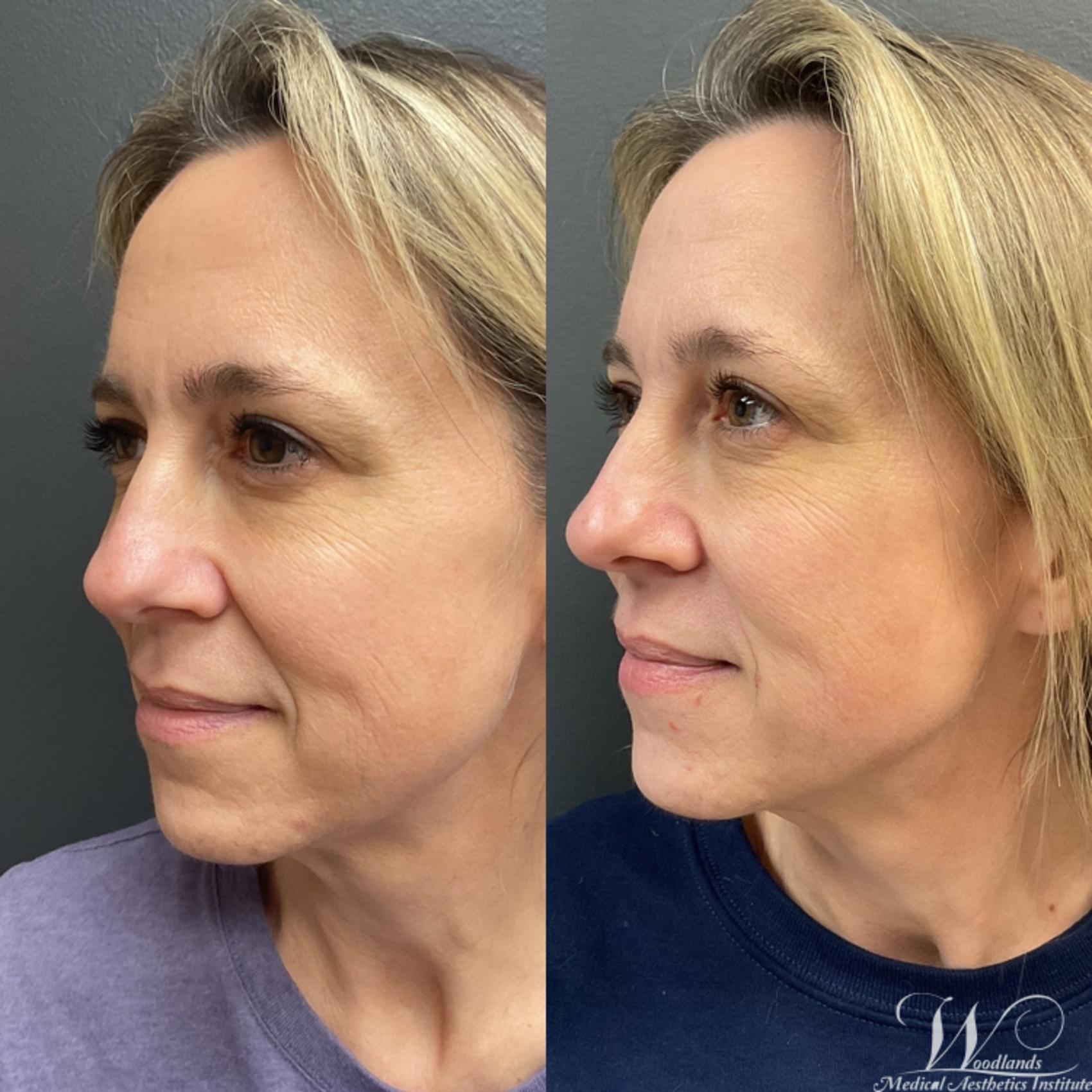
Results from Ultherapy normally start to show up within 2 to 3 months post-treatment. The full impacts might remain to create over six months as collagen production rises, bring about obvious training and tightening up of the skin.
Is Ultherapy Suitable for All Skin Types?
Ultherapy is typically suitable for various skin types, including lighter and darker tones. Individual skin problems and concerns might impact its effectiveness, making examinations with a certified specialist vital for tailored referrals.
Just How Commonly Should Ultherapy Treatments Be Duplicated?
Ultherapy therapies are normally suggested every 6 to one year, depending on specific skin problem and preferred outcomes. Normal assessments by a qualified practitioner can aid identify the most effective frequency for upkeep and efficiency.
Comments on “Top 7 Mistakes to Avoid When Booking Ultherapy Malaysia In Kuala Lumpur”